Real-Time Coyote Tracking: Stay Aware and Safe
- Coyote Patrol
- Feb 15
- 4 min read
2-15-26 Coyotes have become a common sight in many urban and suburban areas across North America. While they play an important role in the ecosystem, their presence can also raise concerns for safety, especially for pet owners and families. With advancements in technology, real-time coyote tracking has emerged as a valuable tool for staying aware and safe. This blog post will explore the benefits of coyote tracking, how it works, and practical tips for using this technology effectively.

Understanding Coyote Behavior
Before diving into tracking technology, it’s essential to understand coyote behavior. Coyotes are highly adaptable animals that thrive in various environments, from rural areas to city parks. They are primarily nocturnal, which means they are most active during dawn and dusk. Here are some key behaviors to note:
Territorial Nature: Coyotes are territorial and will defend their space from other coyotes. This behavior can lead to conflicts, especially in urban settings.
Diet: Their diet consists of small mammals, birds, and even fruits. In urban areas, they may scavenge for food, which can lead to increased encounters with humans.
Social Structure: Coyotes often travel in pairs or small family groups. Understanding their social dynamics can help in predicting their movements.
The Importance of Real-Time Tracking
Real-time coyote tracking provides several benefits for communities and individuals. Here are some reasons why this technology is essential whenever possible:
Enhanced Safety: By tracking coyote movements, residents can be alerted to their presence in real-time, allowing them to take precautions.
Data Collection: Tracking provides valuable data on coyote behavior, helping wildlife experts understand their patterns and interactions with humans.
Community Awareness: Real-time tracking can foster community awareness and encourage residents to report sightings, contributing to a safer environment.
How Real-Time Coyote Tracking Works
Real-time coyote tracking typically involves GPS collars or tracking devices that are placed on coyotes. Here’s a breakdown of how the process works:
Collaring: Wildlife experts capture coyotes and fit them with GPS collars that transmit location data.
Data Transmission: The collars send real-time data to a central database, which can be accessed by researchers and the public.
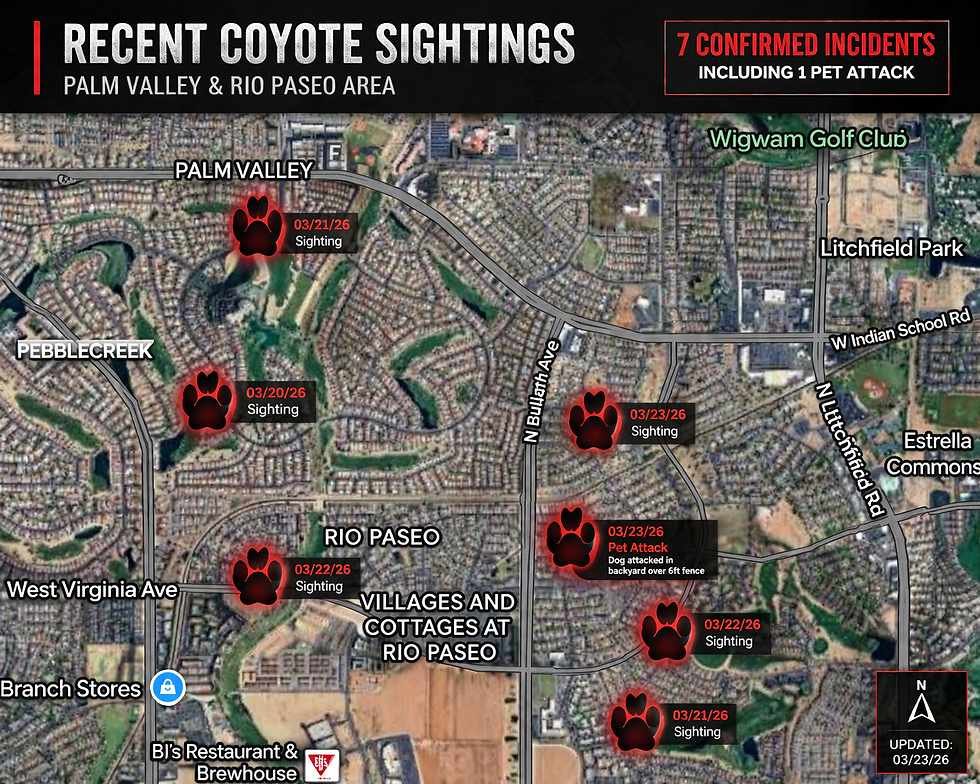
Mapping: The data is then mapped to show coyote movements, allowing residents to see where coyotes are active.
Alerts: Want to get real time updates and alerts for the latest movements? Consider joining our support team with a small donation.
Practical Tips for Using Coyote Tracking Technology
To make the most of our real-time coyote tracking, consider the following tips:
Stay Informed
Sign Up to Be Part of Our Support Team: Our tracking systems allow users to sign up for email or text alerts but costs us considerably (GSM, Data, Etc.). By signing up to be part of the support team, we can keep you informed by the minute about coyote activity in your area. (Sign Up Here)
Chat With Your Neighbors on Our Dedicated Forum: Stay connected with locals, wildlife agencies, and the Coyote Patrol organizations that monitor coyote populations. They often provide updates and educational resources.
Educate Your Community
Share This Information: Use social media or community boards to share this website and information about coyote sightings and tracking data. This can help raise awareness and encourage others to stay vigilant.
Organize Community Meetings: Host meetings to discuss coyote behavior and safety tips. Engaging the community can foster a sense of responsibility and awareness.
Take Precautions
Keep Pets Safe: Always supervise pets when outside, especially during dawn and dusk when coyotes are most active. Consider using leashes or enclosed yards.
Secure Trash: Coyotes are opportunistic feeders. Secure trash cans and remove food sources that may attract them to residential areas.
Case Studies: Successful Coyote Tracking Programs
Several cities have implemented successful coyote tracking programs that serve as excellent examples:
Chicago, Illinois
In Chicago, the Urban Coyote Project has been instrumental in tracking coyote populations. The project uses GPS collars to monitor coyote movements and educate residents about coexisting with wildlife. Their data has shown that coyotes tend to avoid heavily populated areas, which helps residents understand their behavior better.
San Francisco, California
San Francisco has also adopted real-time coyote tracking to manage its urban wildlife. The city’s program focuses on community engagement, providing residents with tools and resources to report sightings. This initiative has led to increased awareness and reduced conflicts between coyotes and humans.
The Future of Coyote Tracking Technology
As technology continues to advance, the future of coyote tracking looks promising. Here are some potential developments:
Improved GPS Technology: Future GPS collars may offer more precise tracking capabilities, allowing for better data collection and analysis.
Mobile Apps: The development of mobile apps could make it easier for residents to access real-time tracking data and receive alerts on their smartphones.
Community Involvement: Increased community involvement in tracking efforts can lead to more comprehensive data and a better understanding of coyote behavior.
Conclusion
Real-time coyote tracking is an invaluable tool for enhancing safety and awareness in communities where coyotes are present. By understanding coyote behavior, utilizing tracking technology, and engaging with local resources, residents can coexist peacefully with these adaptable animals. Stay informed, take precautions, and contribute to community awareness to ensure a safer environment for everyone.
As we continue to learn more about coyotes and their interactions with urban settings, embracing technology and community involvement will be key to fostering a harmonious relationship with wildlife.


Comments